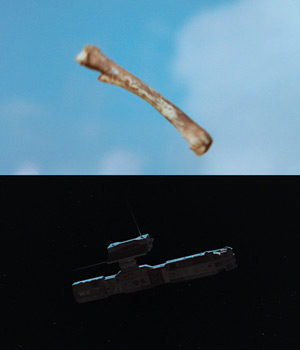
Slanted/Dutch Angle
A slanted angle shot was an unfamiliar angle to me because I have not seen or used this angle too much. The angle is an unusual shot but would be used in films that show intoxication or disorientation or usually in a story where the character is in a world that is not typical but in a place that is weird, strange and unusual. This angle shot would normally be found in 'Action' and 'Fantasy' genres, it allows the audience to see the effect that the character is in, making it seem that the character may have never been in this sort of state before and show a sense of unsteadiness.

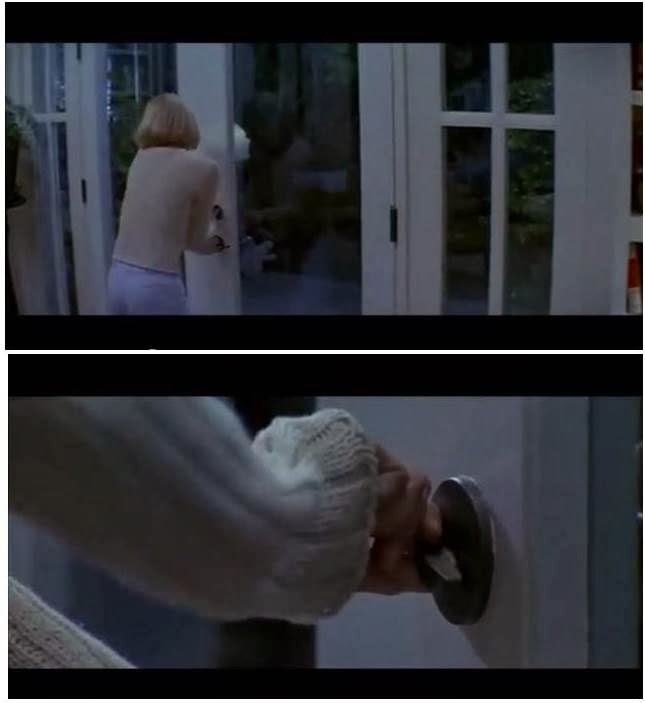
POV Shot (Point-Of-View)
The POV shot is an angle that I have seen before, it is used to show that the storyline of the film is been told through a character eyes. This shot is effective as it makes the audience put themselves in the character's shoes and makes it able to see what they see. This sort of angle shot is not used so tough in films and TV shows or dramas however it is quite good to use in a horror film, where the character would be recording their experiences through a camera because POV does a great job of engaging the audience, it make it quite scary for the audience as they would feel like this is all happening to them.
.jpg)
High Angle
A High angle shot is used to show parts of the character's surrounding, not revealing too much and managing to keep the character in a position that show he is still important to that scene. This angle is different to Birds Eye View because it allows the audience to see the character's body language, facial expressions and props that they may be using whereas Bird Eye View would be higher up and would only be focusing more of the environment and would not be able to see the character the same as a high angle shot would. High angle shot is used usually to show weakness or just little within a scene as the camera is high and makes the character look small and not as superior to the camera view.

Extreme Wide Shot
Extreme Wide Shot captures the character inside a large spaced area. It does not show the character too clearly and tends to make them blend into the surrounding. This angle would be good for scene where the character goes into a place that is new and has many things happening inside the environment, this would be perfect for 'Fantasy' films as they normally let the character meet different worlds and places more than other films and usually has a lot of features happening in these worlds.

Bird Eye View
Bird Eye View is similar to 'High Angle' but show the of the character's head. This image is not the best at showing the full effect of the angle shot however is ok to show the difference between a 'High Angle' and this angle. Bird Eye View is effective if you are looking to show an overall look of an environment, it allows the viewer to get an understanding of where some features of the environment is and how close or far it is away from the character. This angle is good for things like car chases as it shows where the criminal is and the person chasing them, it shows the complexity of the surrounding that the characters must go through.

Over The Shoulder Shot
Over The Shoulder is an angle that focuses the camera over a character's shoulder. It is usually used in conversations as the camera show what is in front of the character. The angle make it seem like someone is standing behind and is peering over the character's shoulder, this could make the audience feel like they can be that person who is peering over this shoulder, making the feel more engaged within the scene.

Low Angle
Low Angle is the opposite of 'High Angle', it makes the character seem more superior and powerful than the camera. Low Angle focuses the camera upwards so that you are able to see the characters face and body, while revealing the background and what is above the character. This shot would be good to use when someone or something is below the main character, it give attention and dominance to this character as he stands over the weak.

Worm Eye View
Worm Eye View is the extreme version of a 'Low Angle', this angle does well to capture the character's body and face while capturing things that may be above them. This camera angle like 'Low Angle' make the character in the focus look powerful however this angle exaggerates the effect much more. This camera angle is good if using it within a conversation between characters that may not be exactly equal physically and mentally. Example of this would be between a child and an adult, it shows the audience the way a small child would see a big adult, creating power that the adult may have over the child.

Close-Up Angle
Close-Up is a very popular camera shot when it comes to media. Close-Up focuses upon a character's face, it allows the audience to see the character's facial expressions and details clearly. This camera shot is good in 'Horror' as it show how the character is feeling at that moment but the expressions they show and gives off different feelings to the audience as they also have to witness the character's fear and makes them feel a bit uneasy as well.

Two-Shot Angle
Two-Shot is an angle that get two people into the frame. Two-Shot Angles are usually used in a conversation between two characters, this angle lets the audience know that the characters within the frame have some sort of relationship between them. Two-Shot are used all around media however works best in 'Romance', This is becasue it frames the two characters within one, adding attentions upon them and intensifying the relationship that the two characters may have.